

Peptide Therapy in Wesley Chapel
Physician-supervised peptide therapy for recovery, growth hormone support, gut health, and more. Lab-driven plans tailored to your specific goals.
Peptide therapy is one of the newer wellness services at New Tampa Wellness Clinic. We provide physician-supervised peptide treatments including BPC-157 for recovery and gut health, ipamorelin for growth hormone support and sleep, sermorelin for natural growth hormone release, and others depending on your specific goals. Dr. Jose De La Torre and our clinical team build every peptide plan around what your labs and history suggest will work best.
Book your peptide therapy consultation in Wesley Chapel with Dr. De La Torre and start with a free wellness assessment at your first visit.
Free Consult
*New patients only. Other terms & conditions may apply.
BOOK FREE CONSULTWhat Is Peptide Therapy?
Peptide therapy at our Wesley Chapel clinic uses short chains of amino acids (peptides) that signal specific biological responses in the body. Different peptides target different functions: BPC-157 supports tissue repair and gut health, ipamorelin signals the pituitary to release growth hormone, sermorelin is a GH-releasing hormone analog, and others address recovery, sleep, immune function, or weight.
Patients ask for peptide therapy when they want a targeted, lower-impact intervention than direct hormone replacement, when they are seeking recovery support after injury or surgery, or when they want growth hormone optimization without the risks and costs of recombinant HGH. Peptides are not a cure-all and not appropriate for every situation; candidacy depends on goals and labs.
Dr. De La Torre personally reviews every peptide plan. Selection of the specific peptide, dosing, route, and duration are based on your labs, your history, and what you want to address. You leave the consultation with a clear plan and realistic expectations for the timeline.

How Does Peptide Therapy Work?
Peptides work by signaling specific cellular and hormonal pathways. BPC-157, derived from a protein in gastric juice, supports tissue repair and gastrointestinal healing through angiogenesis and growth factor regulation. Ipamorelin and sermorelin work upstream of growth hormone, prompting the pituitary to release GH in a natural pulsatile pattern rather than overriding the body's regulation.
Most peptides are administered as subcutaneous injections, similar to insulin or GLP-1 medications. Some are taken sublingually or orally. Cycles vary by peptide: BPC-157 is often used in 4 to 8 week cycles for recovery; growth hormone peptides are typically used for 3 to 6 months with breaks in between.
Dr. De La Torre adjusts the protocol based on your response and follow-up labs where relevant. The peptide field is evolving, and we stick with peptides that have established safety profiles and clinical evidence for their intended use.
What To Expect During Your Peptide Treatment
When you come in for your initial peptide consultation at our Wesley Chapel clinic, Dr. De La Torre reviews your goals, history, current medications, and any relevant labs. For growth hormone peptides, baseline IGF-1 and sometimes additional labs are typically drawn before starting. The full picture is discussed in person.
If peptide therapy is appropriate, you leave with your specific peptide, dosing instructions, injection technique guidance, and a follow-up schedule. Self-administration is typically nightly (for growth hormone peptides) or once or twice daily (for BPC-157). Most patients adjust to self-injection within the first few days.
Most patients notice initial effects within 2 to 4 weeks. Sleep improvements often come earliest. Recovery, body composition, and other goal-specific effects build over 2 to 3 months. Follow-up visits at 8 to 12 weeks are typical to review progress, adjust dosing, and confirm the protocol is delivering what you wanted.
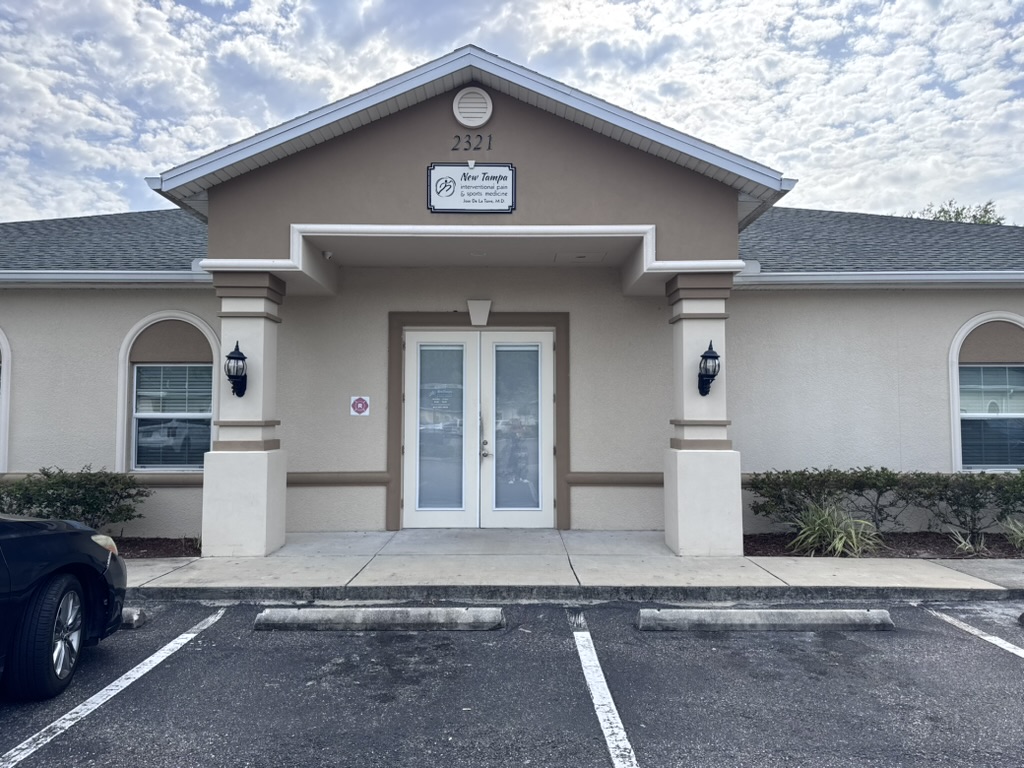
Why Should I Choose New Tampa Wellness for Peptide Therapy?
Peptide therapy is a rapidly growing space with widely varying quality and oversight. At New Tampa Wellness Clinic, every peptide protocol is reviewed and supervised by Dr. Jose De La Torre. He selects peptides with established clinical evidence and safety profiles, screens carefully for any contraindications, and adjusts based on response.
Patients return to us because the experience matches what we promise. We have built our reputation in Wesley Chapel and across the broader Tampa Bay area on transparent pricing, calm clinical conversations, and treatment plans that are honest about what peptide therapy can and cannot do. We do not promise miracles, but we deliver evidence-based protocols.
We also believe peptide therapy works best within a broader wellness picture. Sleep, nutrition, stress, and lifestyle factors influence everything peptides are trying to support. When patients ask about peptides, we discuss these factors alongside the protocol, because the strongest results come from addressing the underlying drivers in parallel.
Is Peptide Therapy Right For Me?
Peptide therapy works well for specific goals in adults with appropriate health profiles, but candidacy depends on your situation. Here is how Dr. Jose De La Torre evaluates whether peptide therapy fits.
Most patients who come to us about peptides share something in common. They are seeking targeted support: faster recovery from injury, better sleep, body composition improvements, gut health support, or growth hormone optimization without direct HGH. They want a clinical alternative to either doing nothing or jumping to more aggressive interventions.
Peptide therapy is not appropriate for everyone. Patients with active cancer, certain endocrine conditions, pregnancy, or specific medication interactions need a different approach. Some popular peptides lack sufficient safety data and we do not prescribe them. Dr. De La Torre screens carefully for safety and appropriateness during the initial visit.
Why Patients in Wesley Chapel Choose Our Peptide Therapy
Physician-Supervised Throughout
Every protocol is reviewed by Dr. De La Torre. We use peptides with established safety profiles and clinical evidence, not whatever is currently trending.
Lab-Informed Protocols
Relevant labs are drawn before growth hormone peptides and reviewed at follow-ups. Protocol adjustments are based on response and lab data, not arbitrary changes.
Targeted Goal Support
Different peptides for different goals: recovery, sleep, growth hormone optimization, gut health. The right peptide depends on what you want to address.
Conservative Use
We use peptide therapy in defined cycles rather than continuous indefinite use. The goal is targeted benefit, not perpetual treatment.
Peptide Therapy Results, Recovery & Aftercare
Peptide therapy results vary significantly by peptide and goal. Sleep improvements from growth hormone peptides often appear within 1 to 2 weeks. Recovery support from BPC-157 builds over 4 to 8 weeks. Body composition and growth hormone-related effects build over 3 to 6 months as IGF-1 levels normalize and the body responds.
Recovery from self-injection is minimal. Most patients adjust to nightly or daily injections within the first few days. Common reactions are mild local injection site irritation. Side effects from properly dosed peptides are generally mild and limited.
Aftercare emphasizes cycle awareness (not staying on peptides continuously without breaks), follow-up labs where relevant, and lifestyle support for the goal you are addressing. Many patients run peptide cycles two or three times per year, with breaks in between to maintain receptor sensitivity.