

Hair Restoration in Wesley Chapel
Real hair growth science without harsh medications or guesswork. Personalized hair restoration that addresses what is actually causing your thinning.
Hair restoration is one of the most requested wellness treatments at New Tampa Wellness Clinic. We combine peptide therapy and hormone optimization to address the underlying causes of hair thinning in men and women, rather than masking symptoms with one-size-fits-all topicals. Dr. Jose De La Torre and our clinical team build every hair restoration plan around your specific labs, lifestyle, and goals.
Book your hair restoration consultation in Wesley Chapel with Dr. De La Torre and start with a free scalp and lab assessment at your first visit.
Free Consult
*New patients only. Other terms & conditions may apply.
BOOK FREE CONSULTWhat Is Medical Hair Restoration?
Medical hair restoration at New Tampa Wellness Clinic is a personalized, physician-led approach to addressing hair thinning and loss in Wesley Chapel. Rather than relying on one-size-fits-all topical solutions, Dr. Jose De La Torre uses lab work and clinical assessment to identify what is actually driving the change in your hair, then builds a treatment plan from peptides, hormone optimization, and supportive therapies.
Patients ask for hair restoration when they have noticed thinning at the temples, crown, or part line, increased shedding, slower regrowth after styling, or visible scalp through hair that used to be thick. The treatment is well suited for men and women who want a clinical answer to early or progressive hair loss, especially when topical products have stopped working or were never effective in the first place.
Dr. De La Torre personally reviews every hair restoration plan. Treatments are selected based on your labs, hormone levels, scalp condition, and lifestyle. You leave the consultation with a clear understanding of what is causing your hair changes and a realistic timeline for what to expect.

How Does Hair Restoration Work?
Hair restoration works by treating the body systems that govern hair growth, not just the hair itself. We begin with comprehensive lab work to assess hormones, thyroid function, ferritin, nutrient status, and other markers that influence the hair growth cycle. Many cases of thinning have an identifiable underlying driver that responds well to targeted treatment.
From there, Dr. De La Torre selects therapies based on what your labs and scalp show. Peptide therapy can support follicle health and extend the active phase of hair growth. Hormone optimization addresses imbalances in testosterone, DHT, estrogen, or thyroid that are often involved in pattern hair loss. Supportive treatments may include nutritional protocols, scalp therapies, or topical adjuncts when appropriate.
The treatment plan is calibrated specifically to your case during the consultation. There is no default hair restoration protocol at New Tampa Wellness Clinic. Two patients with similar thinning patterns may receive very different plans depending on what their labs reveal.
What To Expect From Your Hair Restoration Plan
Your hair restoration plan begins with a consultation and lab draw at our Wesley Chapel clinic. Dr. De La Torre reviews your medical history, examines the scalp, and orders the panel of labs needed to identify what is driving your hair changes. Once results are in, we sit down to walk through findings and the proposed treatment plan.
Hair restoration is a multi-month process. Most patients begin noticing changes between three and six months into treatment, with continued improvement through month twelve. Hair grows on a slow biological cycle, and meaningful results require consistency with whatever protocol Dr. De La Torre prescribes.
You will leave your initial appointment with a clear protocol, a follow-up schedule, and direct text access to our team for questions that come up between visits. Adjustments are made over time based on how your hair, labs, and body respond.
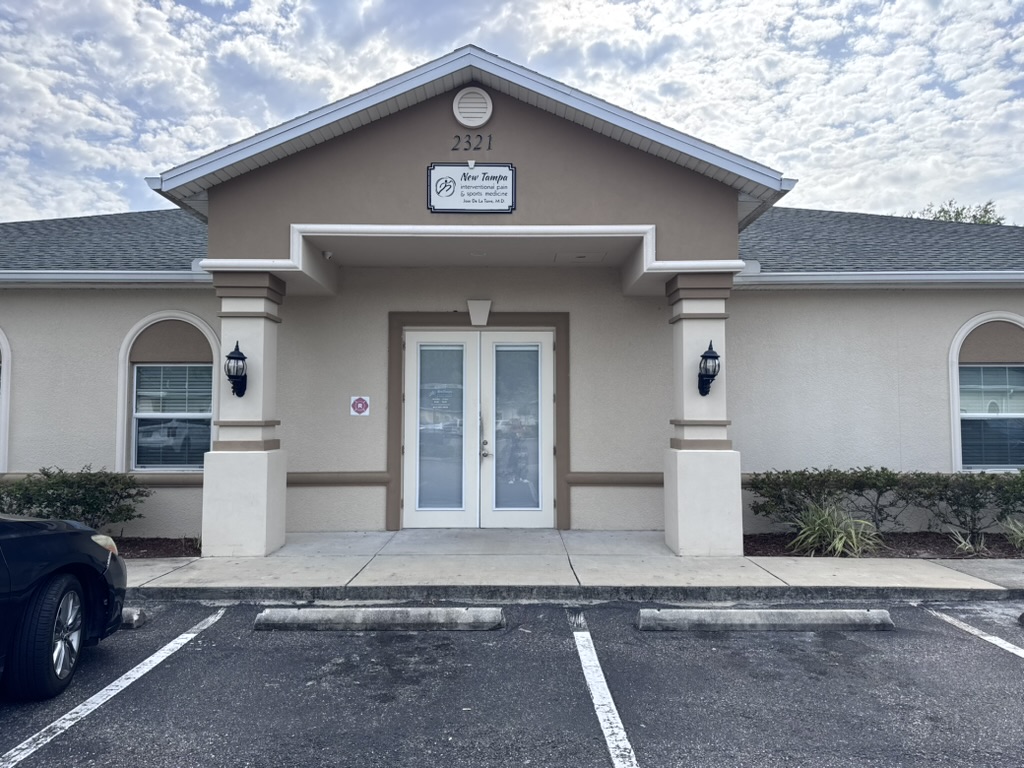
Why Should I Choose New Tampa Wellness for Hair Restoration?
Hair loss is personal, and how it is approached matters. At New Tampa Wellness Clinic, every hair restoration plan is built and supervised by Dr. Jose De La Torre. He reviews your labs, examines the scalp under clinical lighting, screens for the underlying causes of thinning, and sets realistic expectations on the first visit rather than overpromising results that hair biology cannot deliver.
Patients return to us because the experience matches what we promise. We have built our reputation in Wesley Chapel and across the broader Tampa Bay area on transparent pricing, calm clinical conversations, and treatment plans that are honest about what hair restoration can and cannot do. If your hair loss is past the window where medical regrowth is realistic, Dr. De La Torre will tell you and discuss appropriate alternatives, including referrals to surgical specialists when relevant.
We also believe hair restoration is part of a broader wellness picture. Hair reflects hormones, nutrition, stress, sleep, and underlying inflammation. When patients ask about hair restoration, we often discuss the lifestyle factors influencing outcomes, because growth treatments work best when the underlying body inputs support them. That broader view is part of what makes care at New Tampa Wellness different from a typical hair clinic visit.
Is Hair Restoration Right For Me?
Hair loss touches almost everyone at some point, and the right time to address it varies. Here is how Dr. Jose De La Torre evaluates whether medical hair restoration is the right fit for you, and what most patients want to understand before scheduling.
Most patients who come to us about hair restoration share something in common. They started noticing thinning over months or years, watched it accelerate, and now want a clinical answer rather than another over-the-counter product. They are not chasing unrealistic regrowth. They want to slow what is happening, restore what can be restored, and feel confident in their hair again.
The clinical side of candidacy is nuanced. Medical hair restoration works best for early and progressive thinning where follicles are still active, even if they are producing finer or weaker hair. Patients with longstanding bald areas where follicles have closed permanently will see less response and may benefit from a surgical consultation instead. Dr. De La Torre screens for these factors during the consultation and tells you straight what to expect from medical treatment.
Why Patients in Wesley Chapel Choose Our Hair Restoration
Treats the Cause, Not Just the Symptom
We start with labs to identify what is actually driving your thinning. Hormones, ferritin, thyroid, and inflammation all influence hair growth. Treating the root cause produces lasting results that topicals alone cannot.
Personalized by Dr. De La Torre
No default protocols. Every plan is built by Dr. De La Torre based on your labs, lifestyle, and goals. Two patients with similar thinning often get very different treatment plans, and that is by design.
Real Science, Not a Subscription Box
Peptide therapy and hormone optimization are supported by clinical evidence and prescribed at clinical doses. You are not buying a marketing-driven monthly box. You are working with a physician on a real medical plan.
For Men and Women, Wesley Chapel-Based
Pattern hair loss looks different in men and women, and our protocols reflect that. Treatment happens in person at our Wesley Chapel clinic with direct text access to the team between visits.
Hair Restoration Results, Recovery & Aftercare
Hair restoration results unfold slowly because hair grows slowly. In the first three months, most patients notice reduced shedding and improved scalp health. Between months three and six, regrowth typically begins to show as fine hairs filling in at the thinning areas. The strongest visible improvement usually appears between months six and twelve as those new hairs mature and thicken.
There is no recovery period from medical hair restoration. Treatments are taken consistently as prescribed, whether oral, topical, or injectable peptides, with no downtime to plan around. Most patients return for follow-up labs and a clinical check at three months, six months, and annually thereafter to ensure the plan continues to fit.
Aftercare is the protocol itself. Hair restoration is a maintenance commitment, not a one-time treatment. Dr. De La Torre will help you understand which therapies can be tapered once results stabilize and which need to continue long term. Daily habits like consistent sleep, stress management, balanced nutrition, and avoiding harsh styling extend results significantly.