

Medical Weight Loss in Wesley Chapel
Physician-supervised weight loss with GLP-1 medications including semaglutide and tirzepatide. Lab-driven plans paired with regular check-ins, not just prescriptions.
Medical weight loss is one of the most requested wellness services at New Tampa Wellness Clinic. We provide physician-supervised GLP-1 receptor agonist treatment (including semaglutide and tirzepatide) paired with comprehensive labs, regular check-ins, and lifestyle support. Dr. Jose De La Torre and our clinical team build every weight loss plan around your specific situation rather than a default protocol.
Book your medical weight loss consultation in Wesley Chapel with Dr. De La Torre and start with a free weight management assessment.
Free Consult
*New patients only. Other terms & conditions may apply.
BOOK FREE CONSULTWhat Is Medical Weight Loss?
Medical weight loss at our Wesley Chapel clinic combines GLP-1 receptor agonist medications with comprehensive monitoring, labs, and clinical support. The most commonly used medications are semaglutide and tirzepatide, both originally developed for type 2 diabetes and now widely studied and prescribed for weight management. They work by mimicking gut hormones that reduce appetite and slow gastric emptying, leading to lower caloric intake and sustained weight loss for most patients.
Patients ask for medical weight loss when traditional diet and exercise approaches have not produced the results they want, or when they have specific health concerns linked to excess weight. The program is well-suited for adults whose weight is affecting their health, energy, or quality of life. It is not a quick fix and not appropriate for cosmetic-only weight loss in healthy-weight individuals.
Dr. De La Torre personally reviews every patient before starting medication. We order comprehensive baseline labs, screen for contraindications, set realistic expectations, and discuss the long-term plan including what happens after the initial weight loss phase.
How Does GLP-1 Medical Weight Loss Work?
GLP-1 receptor agonists like semaglutide and tirzepatide mimic the gut hormone GLP-1, which is naturally released after meals. The medications slow gastric emptying so you feel full longer, reduce appetite signals in the brain, and improve how your body uses insulin. The combined effect is reduced caloric intake without the constant hunger that typically derails weight loss efforts.
Treatment begins at a low starting dose to allow your body to adjust, then increases gradually over the first few months to a maintenance dose. This stepwise titration significantly reduces side effects compared to starting at higher doses. The medications are self-administered as a weekly injection in most cases.
Dr. De La Torre adjusts your dose based on your response, side effects, and weight loss progress. The protocol is calibrated to your specific situation, not pulled from a one-size-fits-all chart. Treatment also typically includes nutrition guidance, exercise recommendations, and any supportive measures like BHRT if labs indicate hormone imbalances are contributing.
What To Expect During Your Weight Loss Treatment
When you come in for your initial consultation at our Wesley Chapel clinic, Dr. De La Torre reviews your weight history, medical history, current medications, and goals. We order comprehensive baseline labs including metabolic panels, thyroid function, lipid panels, and other relevant markers. The full picture is discussed in person at the follow-up visit.
At the follow-up, Dr. De La Torre reviews your labs and either initiates medication or recommends a different approach if labs reveal something else (untreated thyroid issues, for example) should be addressed first. If GLP-1 treatment is appropriate, you leave with your starting dose, clear injection instructions, side effect expectations, and a follow-up schedule.
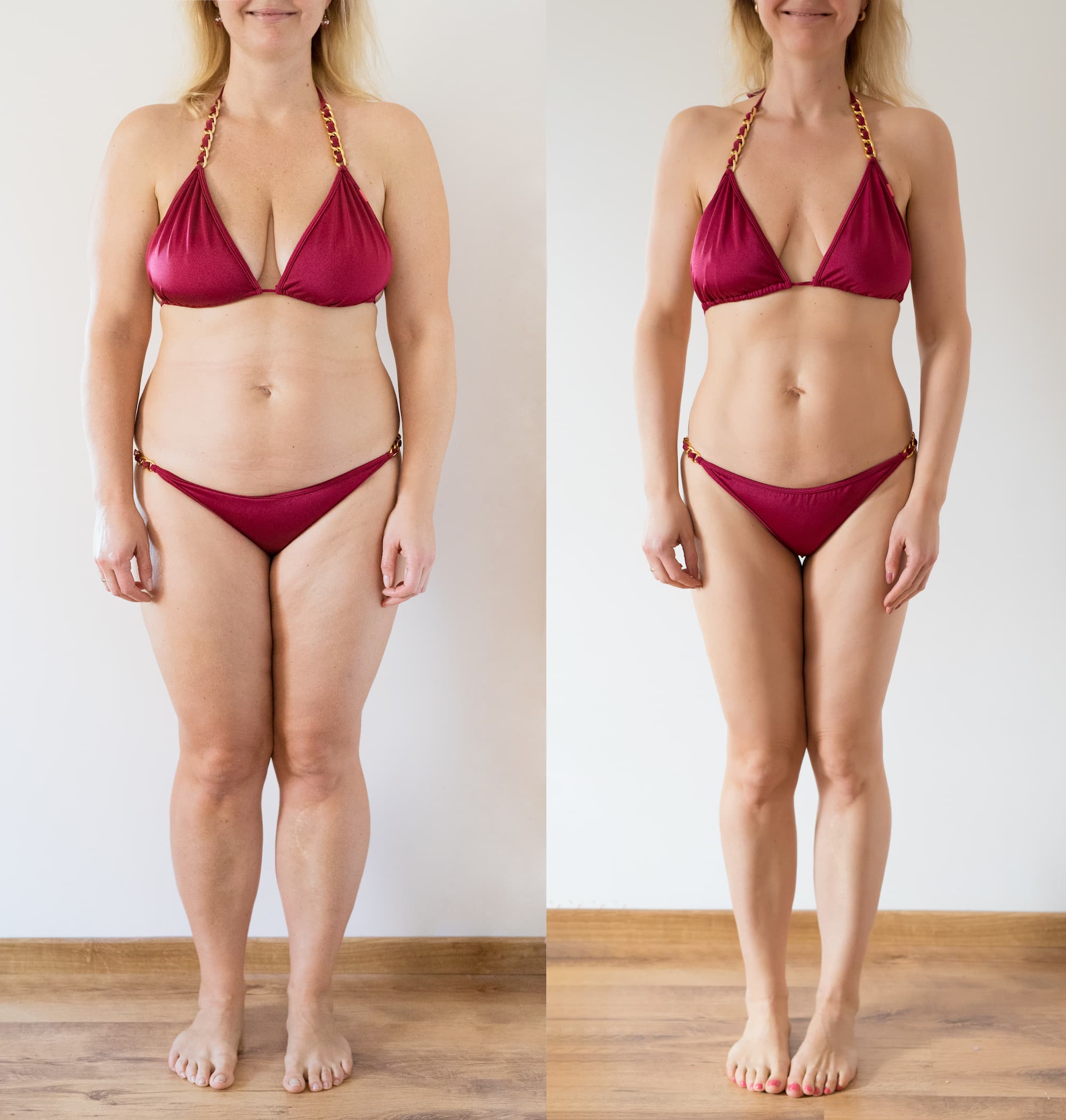
Most patients see steady weight loss beginning within 4 to 6 weeks of starting medication. Follow-up visits are typically monthly for the first 6 months to monitor progress, adjust dose, and address any side effects. Most patients see 15 to 20 percent body weight reduction over 12 to 18 months with semaglutide or tirzepatide, depending on starting weight, dose, and individual response.
Why Should I Choose New Tampa Wellness for Medical Weight Loss?
GLP-1 medications are widely available now, often prescribed through telehealth platforms with minimal clinical oversight. At New Tampa Wellness Clinic, every patient is evaluated and supervised by Dr. Jose De La Torre in person. He orders comprehensive baseline labs, screens for contraindications, monitors progress through scheduled follow-ups, and adjusts treatment based on response and side effects.
Patients return to us because the experience matches what we promise. We have built our reputation in Wesley Chapel and across the broader Tampa Bay area on transparent pricing, calm clinical conversations, and treatment plans that include the full picture (labs, lifestyle, hormones) rather than a prescription only. If GLP-1 treatment is not the right answer, Dr. De La Torre will tell you straight.
We also believe sustainable weight management reflects a broader wellness picture. Sleep, stress, hormones, nutrition, and movement all influence weight beyond what medication can do. When patients ask about medical weight loss, we discuss these factors because the strongest results come from addressing the underlying drivers alongside the medication.
Is Medical Weight Loss Right For Me?
GLP-1 medical weight loss works well for many adults with excess weight affecting their health, but candidacy depends on your medical history, current health, and goals. Here is how Dr. Jose De La Torre evaluates whether medical weight loss is the right path for you.
Most patients who come to us about medical weight loss share something in common. They have tried diet, exercise, and lifestyle changes with limited success, often for years. They are looking for a clinical option to break through a plateau or restart progress. They want a structured program with physician support rather than another fad.
GLP-1 medications are appropriate for most adults with a BMI above certain thresholds or with weight-related health concerns. They are not appropriate for everyone: patients with personal or family history of medullary thyroid cancer or MEN2, certain pancreatic conditions, severe gastrointestinal disease, or active eating disorders need a different approach. Dr. De La Torre screens for all of these during the initial visit.
Why Patients in Wesley Chapel Choose Our Medical Weight Loss
Physician-Supervised Throughout
Every patient is evaluated by Dr. De La Torre in person. We do comprehensive labs, scheduled follow-ups, and dose adjustments based on response, not a prescription mill.
Lab-Driven Initial Workup
Baseline labs identify any underlying factors (thyroid, hormones, metabolic issues) that affect weight. Treatment starts from a complete clinical picture, not a quick form.
Sustained Weight Loss
Most patients see 15 to 20 percent body weight reduction over 12 to 18 months with semaglutide or tirzepatide, paired with our structured monitoring program.
Beyond Medication
Treatment includes nutrition guidance, exercise recommendations, and supportive care for hormones, sleep, or other factors that affect weight management.
Medical Weight Loss Results, Recovery & Aftercare
Weight loss with GLP-1 medications follows a predictable arc for most patients. The first 4 weeks involve dose titration with modest early weight loss as the body adjusts. Months 2 through 6 typically show the steepest weight loss curve. From month 6 onward, weight loss continues at a slower pace as you approach a new steady state. Most patients reach a 15 to 20 percent reduction over 12 to 18 months.
Recovery from injections is minimal. Most patients adjust to weekly self-administration within the first month. Common side effects (mild nausea, occasional GI upset) are most pronounced during dose increases and typically improve. Dr. De La Torre adjusts dose if side effects are limiting.
Aftercare focuses on the long term. Once you reach your goal weight, dose can sometimes be reduced for maintenance. Most patients stay on a maintenance dose to prevent regain, similar to ongoing blood pressure or cholesterol medications. Lifestyle changes (nutrition, exercise, sleep) developed during treatment significantly support long-term success.